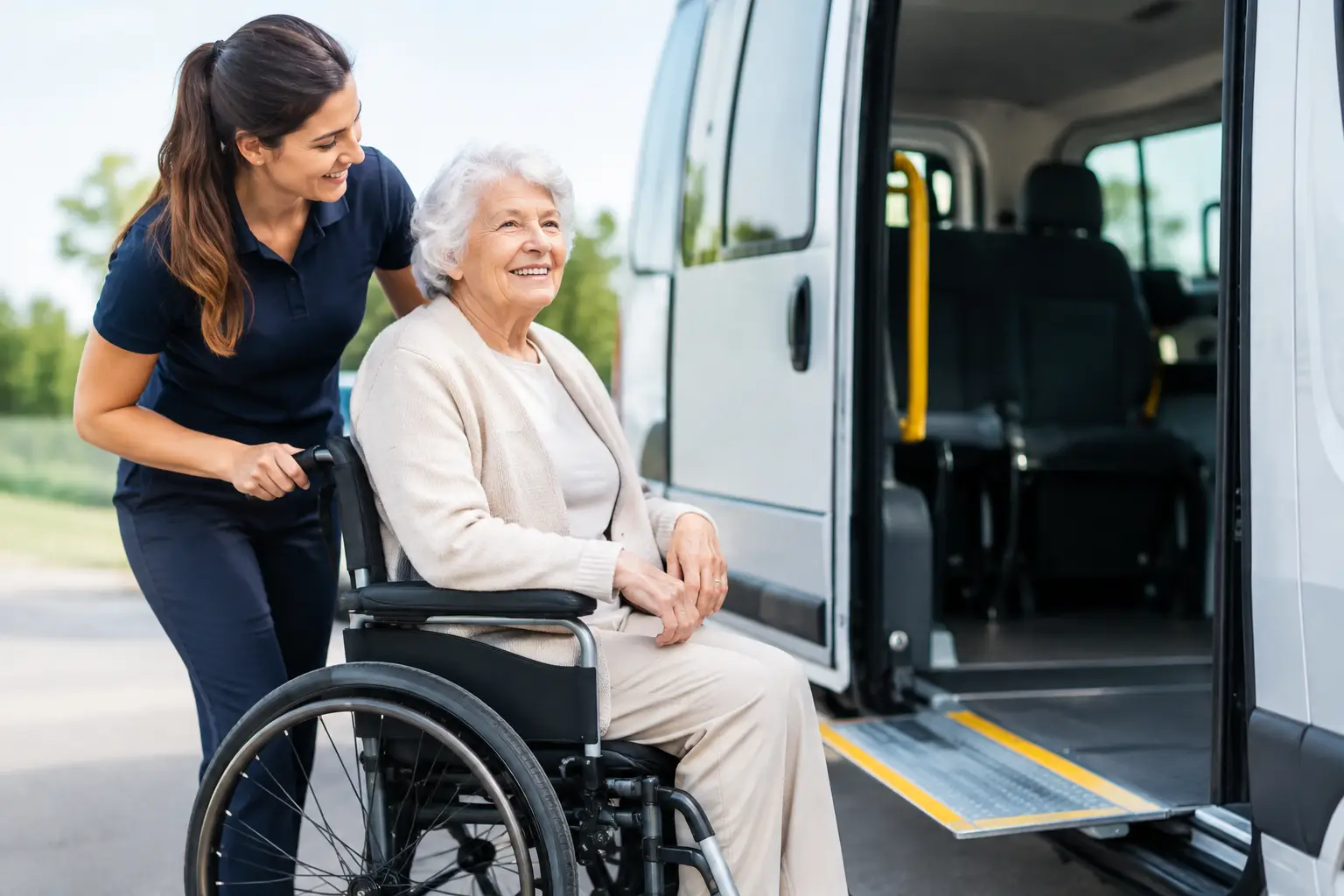
A journey that feels routine to one person can be tiring, confusing or physically demanding for an older passenger. A high kerb, a low vehicle seat, a rushed driver or an uncertain pickup time can turn a medical appointment, family lunch or airport trip into an unnecessary worry. The best transport for elderly passengers is therefore not simply the quickest or cheapest option. It is the service that matches the passenger’s mobility, comfort and support needs from door to door.
For many families, pre-booked private transport provides the right balance of independence and reassurance. The passenger retains control of their plans, while relatives know the vehicle, timing and journey details have been organised in advance.
What elderly passengers need from transport
Every passenger is different. Some older Australians travel independently, walk comfortably and simply prefer a calmer, more reliable alternative to driving or finding a parking space. Others may use a walking frame, tire easily, have reduced vision or hearing, or need a family member to travel with them.
The most suitable arrangement starts with an honest view of the journey. Consider where the passenger will be collected, how far they need to walk, whether there are stairs or uneven surfaces, how long they can sit comfortably, and whether assistance is needed with doors or luggage. A good transport provider can plan around those details when they are shared at booking.
Reliability matters just as much as the vehicle itself. Older passengers should not be left waiting on the footpath, particularly in poor weather, after dark or outside a busy medical centre. A confirmed pickup time, clear booking details and a professional driver create a far more settled experience.
Best transport for elderly passengers: compare the options
There is no single answer for every trip. The right choice depends on the passenger’s mobility, the distance, the number of people travelling and the level of assistance required.
Chauffeur-driven private cars
For an older passenger who can transfer into a standard vehicle safely, a chauffeur-driven car is often an excellent option for appointments, social visits, airport transfers and special occasions. The experience is quieter and more predictable than arranging a ride at the last minute, with a scheduled vehicle and driver arriving for a specific booking.
A professional driver can allow extra time for the passenger to get in and out, assist with luggage where appropriate, and select a practical pickup point. This is particularly helpful when a passenger would rather avoid parking, public transport connections or the pressure of a busy taxi rank.
The trade-off is that a standard sedan may not be ideal for someone with significant mobility limitations. If bending, lowering into a seat or standing from a low position is difficult, discuss vehicle suitability before confirming the journey.
People movers and maxi cabs
A people mover or maxi cab can be a better fit when an older passenger is travelling with family, a carer or friends. Having a familiar companion nearby can make a longer trip less stressful, and the extra room is useful for mobility aids, overnight bags or airport luggage.
These vehicles also work well for family celebrations, weddings, sporting events and restaurant bookings, where everyone can arrive together rather than coordinating several cars. The key is to check seating access and ensure the mobility aid can be stored safely in the vehicle.
Minibuses and coaches for groups
Group transport is a practical choice for seniors’ groups, retirement community outings, winery visits, sightseeing days and extended-family events. Rather than asking multiple older guests to navigate separate journeys, a minibus or coach keeps the group together and simplifies timing.
For these bookings, the itinerary deserves careful attention. Plan sensible pickup locations, comfortable travel intervals and suitable stops for toilets, refreshments or stretching legs. A vehicle with generous space is valuable, but a well-paced schedule is what makes the day enjoyable.
Wheelchair-accessible or specialised transport
When a passenger cannot safely transfer from a wheelchair or requires specialised mobility support, standard private transport may not be suitable. Purpose-designed accessible transport should be arranged instead, with the right restraint systems, equipment and trained assistance for the passenger’s requirements.
It is always better to be specific at the booking stage than to hope a vehicle will work on arrival. Explain whether the passenger uses a manual or powered wheelchair, whether they can transfer with assistance, and whether a carer will be travelling. Safety must guide the decision.
Comfort is more than a soft seat
A comfortable journey begins before the vehicle arrives. Older passengers benefit from knowing the pickup time, destination and who will be travelling with them. If a family member is organising the booking, sharing these details clearly can reduce anxiety and prevent misunderstandings.
On the day, allow a little extra time. Rushing an older passenger out the door often creates the very stress the booking was meant to avoid. A driver who waits patiently while someone gathers a handbag, medication, glasses or walking aid contributes to a better journey.
Temperature, vehicle cleanliness and smooth driving also matter. Long waits, sudden braking and overcrowded interiors can be uncomfortable for anyone, but they can be especially difficult for passengers managing arthritis, fatigue, balance concerns or medical conditions. A clean, well-maintained vehicle with adequate room supports a more relaxed trip.
Questions to ask before booking
The best booking conversations are practical. Explain the passenger’s needs without hesitation, as small details can affect the vehicle and service recommended. Ask whether the driver can meet the passenger at a clearly agreed location, whether there is room for a folding walker or wheelchair, and whether a companion can travel with them.
It is also worth confirming the pickup process. For example, an airport arrival may require a meeting point that is easy to find, while a hospital discharge may require coordination around the correct entrance and collection time. At a large event venue, agree on a pickup zone that avoids long walks through crowds or car parks.
If the passenger has cognitive impairment, reduced hearing or is nervous about travelling alone, provide a contact number for a family member and let the transport provider know. Simple communication arrangements can make a meaningful difference. The goal is not to remove independence, but to make it easier to travel confidently.
Planning common journeys for older travellers
Medical appointments are often time-sensitive, yet the return journey can be less predictable. When booking, allow enough time for check-in and consider whether a flexible return pickup is needed after the appointment. It may be more comfortable to arrange a driver to return at a confirmed time than leave an older passenger waiting outside.
For airport travel, door-to-door service removes the burden of long-term parking, luggage trolleys and unfamiliar terminal drop-off areas. Allow extra time for check-in, mobility assistance at the airport if required, and a calm departure from home. A larger vehicle may be worthwhile if relatives are accompanying the passenger or luggage is substantial.
Social outings are just as important. Transport to a birthday lunch, theatre performance, family gathering or day tour helps older people stay connected without depending on someone to drive both ways. Who’s Driving You can arrange pre-booked chauffeur transport and group vehicles for these occasions, giving families one less detail to manage.
A respectful approach makes the difference
Good transport for elderly passengers is not about treating them as fragile. It is about recognising that practical support, patience and dependable timing allow people to keep doing the things they enjoy. The right service respects the passenger’s pace, preserves their dignity and makes the journey feel straightforward.
When organising the next trip, focus on the small details that shape the whole experience: the right vehicle, a clear pickup point, time to travel comfortably and a driver who understands that getting there safely is only part of the service.


