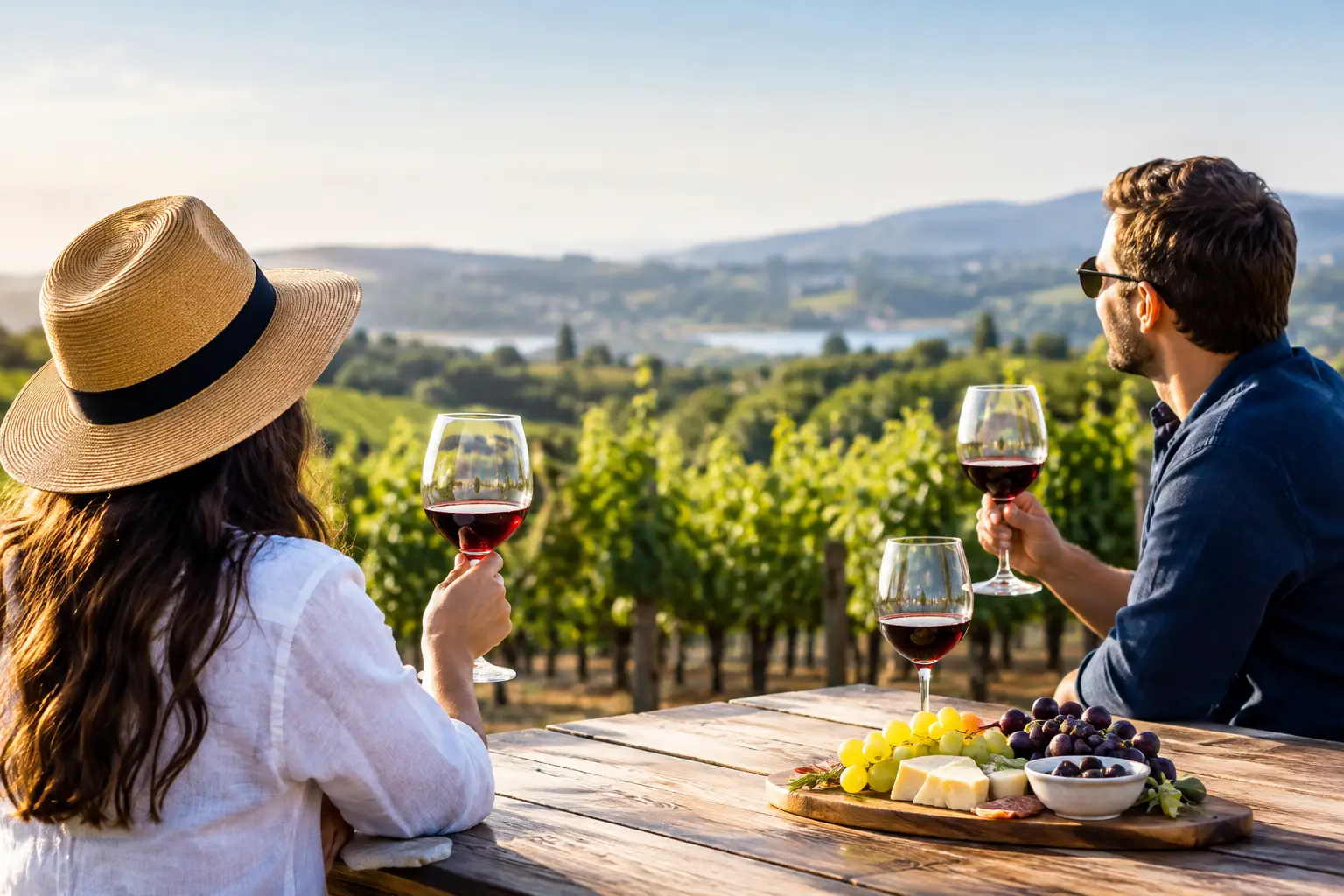
A great wine day rarely comes down to finding the most wineries. It comes down to having enough time to enjoy each one. This winery tour itinerary guide helps you plan a relaxed, well-paced day in Victoria, whether you are organising a corporate outing, celebrating with friends or showing visitors a favourite wine region.
The difference between a memorable tour and a rushed one is usually simple: realistic travel times, sensible tasting numbers and transport arranged before the first bottle is opened. Start with the experience you want, then build the itinerary around it.
Start with one wine region
Victoria has excellent winery regions within reach of Melbourne, but trying to cover two in one day can turn a special occasion into hours spent in traffic. Choose one region and let its character shape the day.
The Yarra Valley suits groups looking for a polished mix of cellar doors, restaurants and sweeping vineyard views. The Mornington Peninsula combines cool-climate wines with a coastal feel, while the Macedon Ranges offers a quieter, more seasonal experience. The Bellarine Peninsula can work particularly well for a long lunch and a relaxed return journey.
Your starting suburb matters. A group leaving from the CBD may have different timing options from a group collecting passengers across the eastern suburbs, Geelong or the Mornington Peninsula. Allow for collection time as well as the drive out of Melbourne, particularly on Friday afternoons, long weekends and during major events.
Build a winery tour itinerary around time, not stops
For most groups, three cellar doors and one proper lunch is the right balance for a full-day tour. Four tastings can work if the venues are close together and lunch is efficient, but more than that often feels rushed. Each winery is different: some offer a quick standing tasting, while others provide seated flights, a guided experience or a walk through the property.
A practical itinerary might begin with a 9.00 am collection, arriving at the first winery around 10.15 am. Plan 45 to 60 minutes for the first tasting, then travel to a second cellar door for a late-morning visit. A lunch booking around 12.30 pm or 1.00 pm gives the group time to settle in rather than watch the clock.
After lunch, one or two final tastings are usually enough. Aim to leave the region by 4.00 pm or 4.30 pm for a comfortable return, allowing extra time if guests are being dropped at multiple addresses. This approach gives everyone room to browse, take photos and enjoy the setting without feeling that every minute is scheduled.
Choose your first tasting carefully
The first cellar door sets the pace. A welcoming venue with a clear tasting format is often a better opening choice than the most remote or busiest winery on your list. It is also worth asking whether bookings are required, especially for groups of six or more.
Starting with sparkling wine can feel celebratory, but it may not suit every group before late morning. If guests are travelling from different locations or have had an early start, a venue with coffee, water and a relaxed arrival space can be a considerate choice.
Make lunch the anchor point
Lunch should be more than a gap between tastings. It is the point where the group can slow down, share a meal and enjoy the scenery. Reserve a table in advance, confirm dietary requirements early and ask how long the dining experience is expected to take.
A winery restaurant can create an all-in-one experience, but a regional pub, farm restaurant or produce-focused café may offer a different and equally enjoyable pace. The right choice depends on the occasion. A client outing may call for a refined restaurant setting, while a birthday group may prefer a more casual, lively venue.
Plan transport before confirming venues
Wine touring is easier when nobody needs to nominate a driver, manage unfamiliar roads or leave early to stay under the limit. Pre-booked chauffeur transport also gives groups the freedom to enjoy the day together from the first collection to the final drop-off.
Choose a vehicle that fits passengers comfortably, rather than selecting the smallest option that technically has enough seats. A people mover may suit a small family or group of friends. Maxi cabs and minibuses are practical for larger groups, while executive vehicles can suit couples, visiting clients or intimate celebrations. If guests intend to buy wine, allow for boot space too.
A professional driver can manage the route, parking and collection schedule, while your group focuses on the experience. Who’s Driving You can provide chauffeur-driven winery transport across Melbourne and Victorian wine regions, with vehicle options suited to couples, families, corporate groups and larger parties.
When requesting a quote, provide the collection location, passenger numbers, preferred region, planned venues, dining booking time and final drop-off details. If you have not chosen every winery yet, that is fine. A reliable transport plan can still be built around your preferred area and day length.
Allow for the details that change the day
The best itineraries leave room for real life. Cellar door bookings may run late, a group may want to spend longer over lunch, or one winery may have a queue at the bar. Building in 15-minute buffers between major stops prevents a small delay from affecting the whole afternoon.
Weekends require more planning than weekdays. Popular cellar doors may have limited group seating, restaurant tables can book out weeks ahead, and regional roads may be busier. During vintage, harvest festivals and school holiday periods, confirm every booking before departure.
Weather matters too. Victoria can offer warm sunshine, cool wind and rain on the same day, particularly in elevated or coastal wine regions. Encourage guests to bring a layer, wear comfortable shoes and avoid relying on outdoor seating unless there is a wet-weather alternative.
If children are joining the tour, make the itinerary family-friendly from the beginning. Look for venues with space to move around, food options beyond a cheese plate and a welcoming atmosphere. Child restraints should be arranged with your transport provider when booking, not on the morning of travel.
Match the itinerary to the occasion
A winery tour for a hens celebration, a team day and a couple’s anniversary should not look identical. The most successful plans reflect why the group is travelling.
For corporate groups, keep the route efficient and confirm tasting formats that allow conversation. A private lunch space or structured tasting can help guests connect without the day becoming overly formal. For visitors from interstate or overseas, include one scenic stop or winery with a strong sense of place, rather than trying to tick off a long list.
For birthdays and social groups, a later start may be appealing, but make sure it still leaves enough time for lunch and return travel. For couples, two excellent wineries and a long lunch can be more memorable than a packed schedule. Less movement often means more time to enjoy the wines, food and company.
Confirm bookings and set expectations
A few days before the tour, send guests a simple schedule with collection time, dress guidance, expected return time and any contribution required for tastings or lunch. Confirm whether the group is responsible for tasting fees, whether they are redeemable against wine purchases and whether food is available at each venue.
Ask wineries about accessibility if any guest has mobility requirements. It is also sensible to confirm dietary needs directly with the lunch venue, even if they were noted at the time of booking. Clear communication avoids awkward surprises and helps every guest feel considered.
On the day, keep the itinerary available on your mobile, but do not treat it as a rigid rulebook. If a tasting becomes the highlight of the day, there is value in staying a little longer when the schedule allows. A well-organised tour creates that flexibility.
The ideal winery day leaves guests talking about the wine, the meal and the people they shared it with, not the parking, directions or rush to the next stop. Give the day enough space, choose transport that keeps everyone together and let the region do what it does best.


